Search

Fridays with Phil

Life, family and unshakeable faith

Living Intentionally with ALS/MND: My Personal Journey to Slowing Progression.

I have been asked so many times what I’m doing, so this post is a personal breakdown of what I currently do to maintain the best possible quality of life. If you’re living with MND—or love someone who is—I hope this offers a helpful and honest insight into what’s working for me.

This is not a guarantee of any kind that if you do what I do you will get the same results but you may find something helpful and worth trying.

When I was diagnosed with motor neurone disease, I knew I couldn’t control the condition—but I could influence how I lived with it. Like everyone diagnosed with ALS/MND, I was told it is 100% fatal and progresses rapidly, with no known cure.  

Did you know that in Australia, around 1 in 200 people will die from motor neurone disease (MND)? That’s around 3 a day.

It’s often called a rare disease, but that’s misleading. The reason it seems rare is because people with MND die quickly, so the number of people living with it at any one time is low.

For example, the average life expectancy after an MND diagnosis is just 27 months, compared to 20 or more years for someone with multiple sclerosis (MS). Each year similar numbers are diagnosed with MND and MS. However, because MND progresses so rapidly, far fewer people are alive with it at any time—around 2,700 compared to 33,000 living with MS.

So, while MND may look rare based on how many people are currently living with it, the truth is: it’s not rare at all. It’s just fast.

Slowing it down.

Over the years, I’ve committed to slowing its progression in every way I can: medically, nutritionally, physically, emotionally, and spiritually. What I share here isn’t a prescription—it’s my personal rhythm of life, built on professional advice, careful observation of my body, and a fair bit of prayerful discernment.

That doesn’t mean chasing false hope or miracle cures. It means choosing to live with MND in a way that’s purposeful, hopeful, and as proactive as I can manage.

I like to say, “I may have MND but MND doesn’t have me”.

1. Medical and Allied Health Team

I’m fortunate to be supported by a knowledgeable and compassionate medical team. I stay in regular contact with my neurologist, GP, and allied health professionals:

• Physiotherapist (monthly): We focus on maintaining range of motion, balance, and strength. My physio trains my carer, and together we implement a movement routine. 

• Occupational Therapist: Assists with adaptive tools and seating to reduce energy expenditure and prevent injury.

• Speech Therapist (every 6 months): Monitors for slurred or slow speech, changes to the tongue, lips, or jaw, and signs of respiratory involvement.

• Respiratory Therapist: Measures lung function, coughing ability, and oxygen levels.

• Psychologist: Helps navigate the emotional complexities and shifting landscape of living with MND.

2. Supplements and Nutritional Support

For over 10 years, I’ve worked with a naturopath to support my health. We began by testing for heavy metals and toxins. Result was many high levels but mercury in particular was 17x higher then normal. I spent 6 hours in a dentist chair removing my amalgam fillings (which contain mercury, tin, silver, copper, and zinc).

My daily supplement regimen targets muscle maintenance, energy, neuroprotection, gut health, and detoxification.

I have been taking these supplements for the past 10 years or more, mixed in juice as soon as I wake up, about an hour before breakfast.  Interestingly, a paper has just been produced by a known ALS researcher that has endorsed what I’ve been doing all these years.

Amino Acids & Neuroprotective Compounds

• Acetyl-L-Carnitine (1000 mg) – Mitochondrial energy, cognition, nerve protection

• Alpha-Ketoglutaric Acid (600 mg) – Energy metabolism, ammonia clearance

• N-Acetylcysteine (NAC) (500 mg + 800 mg) – Glutathione precursor, antioxidant

• L-Glycine (500 mg) – Neurotransmitter balance, sleep support

• L-Isoleucine (500 mg) – Muscle maintenance

• L-Leucine (1000 mg) – Muscle protein synthesis

• L-Lysine (600 mg) – Tissue repair, immune function

• L-Ornithine (300 mg) – Fatigue and ammonia detox

• L-Serine (500 mg) – Brain cell membrane support

• L-Tyrosine (1500 mg) – Dopamine precursor, cognitive support

• L-Valine (600 mg) – Muscle repair and energy

Mitochondrial & Energy Support (Mito-Charge)

• D-Ribose (4.6 g) – Boosts cellular ATP production

• Nicotinamide Riboside (100 mg) – Raises NAD+ for mitochondrial function

• Calcium Pyruvate (666 mg) – Energy support

• Magnesium Citrate (100 mg elemental) – Nerve and muscle function

• Calcium Pantothenate (60 mg B5) – Adrenal support

• Taurine (50 mg) – Antioxidant and neuroprotective

• Biotin (1 mg) – Nerve health and metabolism

• Acetyl-L-Carnitine – Included again for double mitochondrial support

Liver Support (HepatoClear)

• Silymarin (Milk Thistle) – Liver cell protection

• Schisandra – Adaptogen, hormonal and liver detox support

• Turmeric/Curcumin – Anti-inflammatory and antioxidant

• Artichoke/Dandelion – Bile flow and digestive support

Other Daily Supplements taken morning, midday and afternoon.

• Omega-3 Fish Oil – 2,000 mg (EPA/.  DHA)

• Ox Bile

• L-Methylfolate

• Coconut Oil

• Superoxide Dismutase (SOD)

• Ginkgo Biloba

• Adeno B12

• Methyl-Guard Plus

• BIFIDO Biotic

• UltraBiotic 45

• Vitamin D3 – 1,000 IU

• QH absorb + PQQ 

• Tri-Mag Supreme

• Probiotic (broad-spectrum) – 1 capsule daily

• Curcumin with Bioperine – 1,000 mg

• Methylated B-Complex – 1 capsule daily

• Lypo-Spheric Vitamin C

• Liposomal Glutathione

• Liver Nutrients

• Pro8-50Plus

• SB 250 Spectrum

• Standalone Magnesium – Sleep and muscle relaxation

• Augmented NAC – High-dose antioxidant support.

• Optimal PC, ‘phospholipid complex’. 800mg

• Lithium 1000mcg

• Cal-Mag Plus (Zinc, Vit D&K,Boron.

• Muti Enzyme

• Hydroxide B12 2000mg

• Vitamin E

• Methyl Folate Extra strength 400mcg

• Zinc Picolinate 25mg

• Protein Powder. Whey Healthy Chef.

Yes, MND can be incredibly costly—emotionally, physically, and financially.

Pic of breakfast.

3. Movement and Physical Therapy

Movement is vital—not about pushing through pain, but preserving function.

My Daily Routine:

• Range-of-motion stretches (15 minutes): Neck, shoulders, back, legs

• Targeted stretching (45 minutes)

• Walking short distances with aids or using a powered wheelchair to stay connected with life beyond the home.

• Breathing exercises (3–4 times daily): Deep, slow breath holds to support lung function

• Resistance exercises to maintain—not build—muscle. It’s important to note that I haven’t reversed any effects of MND, but I’ve worked hard to preserve what function I still have.

• MotoMed machine – 2 hours daily. A MotoMed is a motorised exercise machine that helps me move my arms and legs to improve circulation, flexibility, muscle tone and memory.
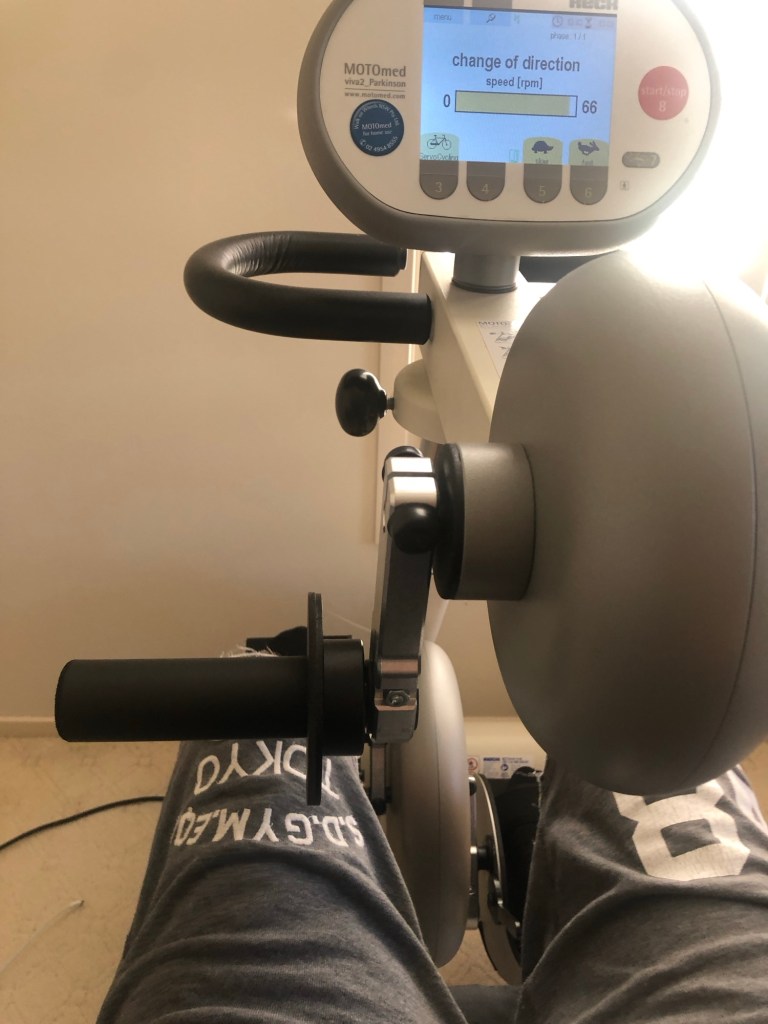
MotoMed

• Sauna – 30 minutes daily: I complete some exercises during this time

Additionally, I receive soft tissue therapy (3 hours per week) to reduce stiffness and spasticity, and improve circulation.

4. Sleep and Symptom Support

Rest is critical. My structured routine includes:

• Bed by 9:30 pm; up by 6:00 am

• No iPad/iPhone after 5:30 pm, dim lights. 

• when I rest my head I give thanks and gratitude for another day and  usually fall asleep within 10–15 minutes.

• I’ve also found full-leg pressure boots helpful. I wear them for 60 minutes each evening while watching TV. Thanks Gordo (friend with MND), great recommendation.

Recovery Boots

By around 4:30 p.m., I usually finish my day’s work. My muscles have been exerting themselves to the fullest, with some muscles now working overtime to compensate for the loss of muscle elsewhere. My head feels heavy, and my neck muscles are struggling by late afternoon.  

5. Equipment and Tech Support

To conserve energy and maintain independence, I use:

• Powered wheelchair.

• Adjustable bed and seating

• Smart home tools (lights, blinds, communication)

• Respiratory aids on standby.(NIV)

6. Spiritual Life and Inner Strength

MND affects more than the body. I protect my mental and spiritual health by:

• Staying connected to friends, church, and community

• Accepting help—even when it challenges my pride

• Journaling and writing devotionals each morning.

• Seeking counselling, peer support, and honest conversations with others on a similar path.

• FaceBook page: Australian MND Group Connect Share Support.

My relationship in Jesus is my deepest source of strength. I seek His life, light, and love each day.  I draw strength from daily Bible reading, prayer and meditation.

MND hasn’t diminished my faith—it has deepened it. As my body slows my spirit grows.

7. Living with Purpose and Advocacy

I want to live well—not just longer—and help others do the same. When life throws challenges our way, we often ask, “What’s the purpose of this?” Sometimes, there is no purpose—until we choose to bring purpose to it.

Viktor Frankl’s in Man’s Search for Meaning: “we can find or create meaning even in suffering”. That’s why I’ve taken on these advocacy roles:

• Chair, Lived Experience Research Advisory Panel

• Advisor, MND Australia Lived Experience Network

• Board Member, Australian MND Research Collective

• Panel Member, Australian MND Guidelines

• Co-designer, Non-Invasive Ventilation Stakeholder Advisory Group

• Advisor, Community of Practice for MND Care (Calvary Hospital)

• Contributor, FightMND and fundraising events

• Board Member, local church

• Member, FIGHTMND Global Research Roundtable

• Administrator, Facebook support page for people with MND (1,500+ members)

Final Thoughts

I can’t say for certain whether these choices have slowed the progression of my MND, but I can say they’ve helped me live more freely within it. Given how rapidly things progressed in the first year, and how much more slowly since I began my current approach, I can only assume I’m on the right track.

It’s  allowed me to keep showing up—for my family, my friends, my faith, and even strangers who’ve written to say, “Thanks. I needed that.”

If you’re facing MND, or walking with someone who is, my encouragement is this:

Do what you can, let go of what you can’t, and hold onto the hope that—even in this—life is still worth living.

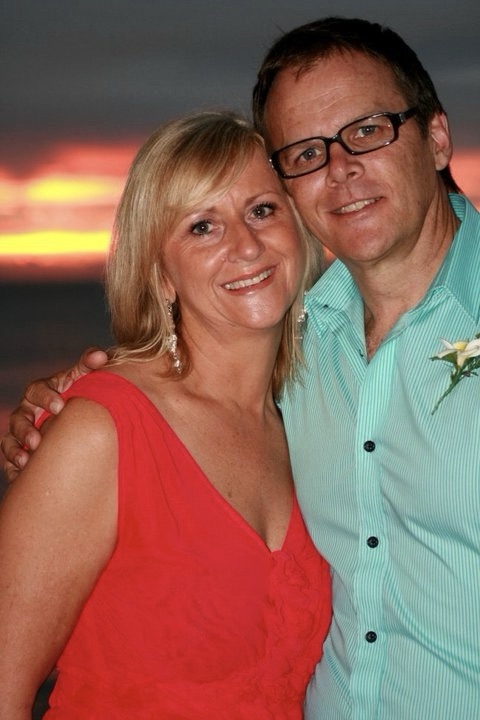
I finish by thanking my wife, Lenore, and my family for their continued love and support. 

MND Massive Open Online Course.

I had the privilege of being part of the MND Massive Open Online Course (MOOC). Anyone can take this course if you want to know more about MND/ALS. Here is the link for the course, which is free until the end of June. https://island.mooc.utas.edu.au/course/20279

Transcript:

You’re not alone. You know there’s an army out here and a family out here that are here to help. When you get diagnosed with a terminal illness. You have to reeducate yourself to be the one who is willing to receive help, which is very difficult. 

One of the things that I would like to get across to the MND community is, we are human beings, not human doings. And your sense of self-worth and significance is not created by what you can do; it’s simply by being who you are. And when we lose the ability to do things around the house, that doesn’t mean that we are less significant or less important or less valued than the people who can still do things around our house. Your value is not in the things you do. Your value is in that you are a human being. 

You know you have intrinsic value, and your presence alone, even if you can’t move, even if you can’t speak, even if you can’t hug your wife, even if you can’t hug your grandkids. Your value is your presence. You’re there, and that’s what people who love you will value. You know that they won’t care that you can’t feed yourself or you can’t feed them.

To those with motor neurone disease, please don’t see a body getting weaker of your sense of self-worth and significance to those that you love. You know you are more than your body: your body, mind, soul, and spirit. 

Also, keep the hope as well. You know there are a lot of things happening that weren’t happening 10 years ago that are happening now, so please keep hopeful. Continue to hope. Who knows? Tomorrow might be the day someone goes, “ Eureka! We found something!” We just don’t know, and so keep hope alive.

Australian MND Guidelines

It will be my honour to be a member of the Australian MND Guidelines Panel over the next two years.

The University of Adelaide has been given a grant from FightMND to produce this national guidelines for the care of people living with MND.

Here is my speech that i gave at the launch.

Talk Title: “Anchoring Hope: The Power of Guidelines in the Maze of MND”

Good morning everyone,

My name is Phil Camden, and I was diagnosed with MND at the age of 54. Harvard University suggests that this is the optimal age when an individual discovers their sense of belonging in the world.

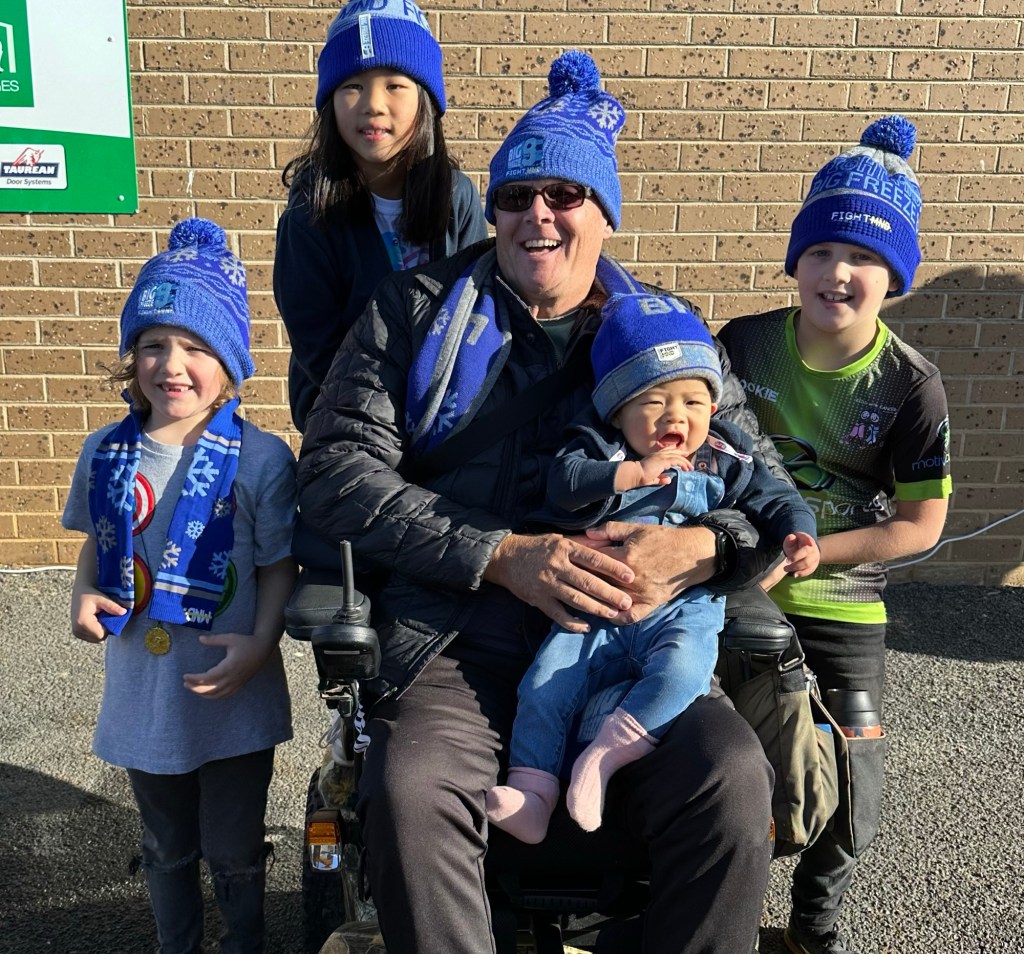
I’ve been married to Lenore since I was 19 years old. We have two married daughters and four grandchildren.

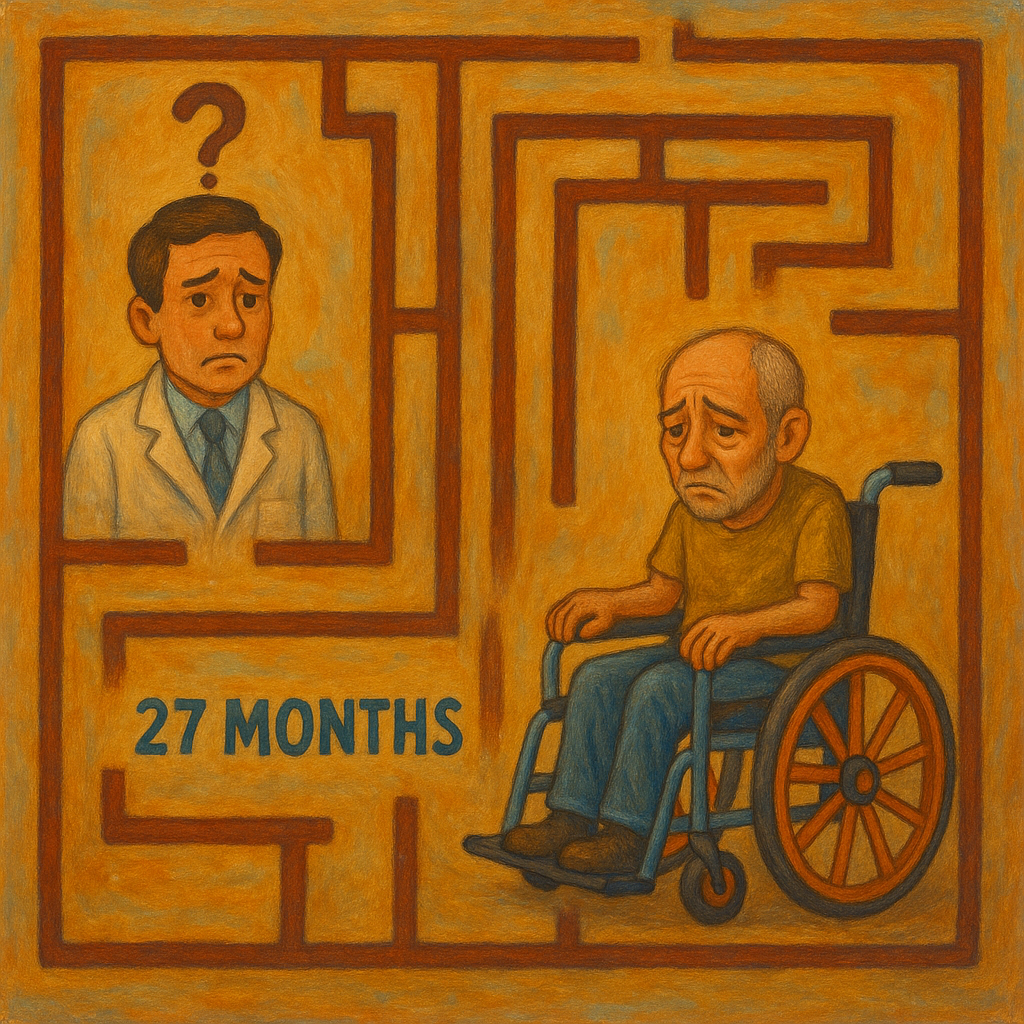
For someone receiving a diagnosis of MND, life can suddenly feel like you’ve been dropped into the middle of a maze—unfamiliar, overwhelming, and deeply disorient-ing.

The thing is, we are not alone in the maze. We know that.  But the others with us in the maze are equally as lost and confusedd.  We bump into all kinds of people wanting to help .  Some don’t even know the name of the maze until we utter the letters MND.

In the heart of this maze, where every turn leads to deeper confusion and the walls close in, there’s no room for chance or instinct—only the desperate need for direction. And that’s where you come in.

It’s not just the body that changes. Identity, relationships, and meaning are all challenged.

What you are doing in developing these guidelines is not just technical. It’s not just procedural. It is profoundly human.

Because in that maze, you are helping us place something like Waze—

Steve and I used WAZE a GPS to drive to Adelaide from Melbourne. It not only showed us the direction but warned us of potholes ahead, traffic congestion, accidents, and police, etc.

Guidelines provide a kind of WAZE a map that helps patients, families, and clinicians navigate an otherwise unpredictable path with confidence, dignity, direction, reassurance, and shared understanding.

And here’s what I want you to hear today:

We place our hope in your ability to produce this work—not just because of your knowledge, but because of your compassion.

Because guidelines, done well, don’t just coordinate care. They affirm identity. They say:

“You still matter. Your life still has meaning. You will not be forgotten or left to figure this out alone.”

You’re not just writing protocols. You’re anchoring people in a story that says:

“Even in the face of decline, you are still a person of worth, deserving of excellence, kindness, and consistency.”

Now let me take this even further.

When someone is diagnosed with MND, it’s like being a prisoner in the American Civil War shown a “deadline”—a literal line that, if crossed, meant death. For us, that line is often drawn at 27 months—the average life expectancy after diagnosis. It’s stark. It’s sobering. And it can feel like a sentence.

But these guidelines you are creating—they take the place of that “dead line.” They redraw the map. Instead of a line of despair, they offer a path of care.

They carry the potential not only to add days to life—but to add life to days.

Who knows how much longer someone with MND may live beyond that 27-month mark?

Let’s find out!

Because those living with MND don’t just need treatment—they need hope.

That hope is not passive —it’s expectant. It’s not just waiting patiently . It’s a confident, eager longing that says,

“There’s still more ahead. There’s still meaning to be found.”

This is the kind of hope people with MND live with every day—not just a hope for cure, but a hope that their care will be consistent, compassionate, and meaningful.

And we are the ones helping shape that hope into reality.

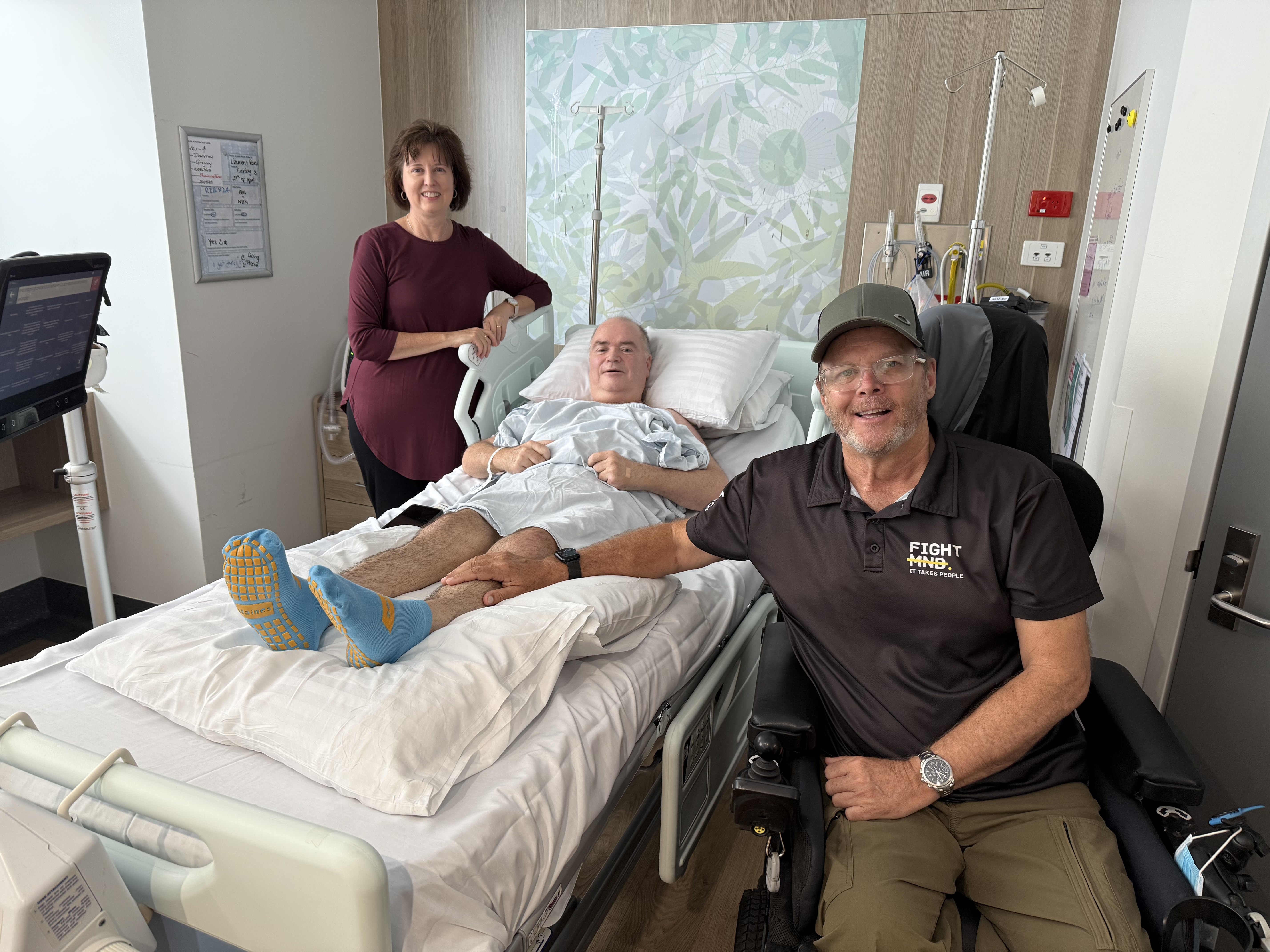
On Tuesday Steve and I visited a friend who also has MND,  Greg is in palliative care and even now the nurse didn’t know how to use a Button PEG – feeding tube. She tried to pull it out and broke it.

Greg is unable to move his legs, arms and cannot speak he is using eye gaze.

He told us that the nurses gave him a buzzer to ring if he needed them but Greg couldn’t push the button. When he got cold and needed a blanket he had to text his wife at home, hoping she would get the text and ask her to ring the hospital and get the nurse to bring a blanket to his room.

So today, as we contribute to these guidelines, know this:

What we are doing matters. Profoundly matters.

You are helping people find their way—not just through systems, but through suffering.

And for that, we are deeply grateful.

Thank you.

Fight MND Roundtable.

Back in August FightMND held its very first Global MND Research Roundtable in Melbourne, Australia. The event brought together those directly impacted by ALS/MND, leading ALS/MND researchers, global collaborative leaders and strategic experts to focus on solving some of the toughest challenges faced by ALS/MND researchers globally.

New development in research for a cure of ALS/MND

The Australian newspaper.
Nine news report.

My address at “MND Symposium AUS/NZ.

Here is are my notes from my address to researches and clinicians at the “MND Symposium for Australia and New Zealand” 28 September. As you can imagine the live presentation may have been funnier and a little ad lib.

Introduction

Hello, I’m Phil Camden.

I want to express my gratitude to Gethin and MND Australia for this opportunity and for organising these symposiums. A special thanks also goes to the Florey Institute. And of course, thank you all for being here today.

I have been married to my wife Lenore for 45 years.

We have two married daughters and four grandchildren.

*Pictures of the Rileys, Moores, and me with our grandkids.*

Now, let’s turn to the serious matter at hand.

Motor Neurone Disease (MND) entered our lives in 2013.

At 54 years old, I was at a peak in my life—serving as a pastor in Newcastle, NSW. Our church was vibrant and making a positive impact in the community. I was also involved in the State executive of our movement, “Australian Christian Churches,” and had strong relationships with local officials.

My wife Lenore and I lived at Redhead Beach, where I enjoyed swimming and running daily.

However, I began to notice difficulty walking up the stairs to my office. I spent a year with a physiotherapist, but there was little improvement—if anything, my condition worsened. My GP recognised the symptoms from 15 years earlier and suggested I see a neurologist.

I remember seeing the term ALS on the screen and associating it with “All Lenore Says.” My GP urged me to consult a neurologist urgently. I went home, looked up ALS, and Lenore found me crying in my chair. She knew something was terribly wrong.

Four weeks later, a neurologist confirmed it was MND and prescribed Rilutek, a drug that might extend my life by about three months within a 27-month prognosis. I also consulted Prof. Matthew Kerneen (here today) and Prof. Dominic Rowe, who confirmed the diagnosis of MND.

Research indicated that my condition would lead to severe muscle loss, ultimately impairing my ability to walk, talk, eat, or breathe. The prospect of losing the ability to breathe was particularly daunting.

Facing the reality of a 0% survival rate was devastating. Unlike other illnesses where treatment options and survival rates are discussed, with MND, there’s no cure or effective treatment—just a grim prognosis.

**If someone is said to have HAD MND, you know they’re either deceased or have experienced a miraculous recovery.**

Death seemed to move from a distant possibility to an imminent reality.

Within months, I was no longer working. My sense of self-worth, purpose, and significance were being challenged.

**Everything you valued, believed, and trusted in before MND is scrutinised and reassessed.**

Receiving an MND diagnosis changes your world and challenges your worldview.

Growing up, there were two predominant worldviews: the “Big Bang Theory” and “Intelligent Design” or the “God Hypothesis.” My belief was in intelligent design. As a pastor, I firmly believed in God and that we were created by intelligent design.

The diagnosis of MND challenged my worldview profoundly. However, it did not alter my belief in intelligent design or God.

**There is growing interest in the “Intelligent Design Hypothesis.**

My worldview, which aligns with scientific discoveries about fine-tuning in cells, proteins, DNA coding, and Messenger RNA, remained intact.

I began to explore how to fine-tune my own body, mind, and soul, much like adjusting a guitar string or correcting a missing ingredient in a recipe.

I had my body tested for toxins and discovered elevated levels.

I had all my amalgam fillings removed—three sessions of two hours each.

I engaged a naturopath specialising in MTHFR, focused on a healthy gut, and incorporated beneficial foods into my diet.

I sought counselling for a healthier mindset and physiotherapy to improve body movement and muscle memory.

I use my MotoMed machine for two hours daily to assist with cardiovascular health, and I use a sauna every two days for 15 minutes.

I dedicate two hours a day to fine-tuning my body through physiotherapy.

Thanks to Leanne Sklaventis (living with MND) for her talk at the last symposium—who knew that a simple stretch or twist could improve balance?

I also take up to 50 supplements daily, including glutamine and a blend of amino acids.

My motto is, “Do your best and leave the rest to God.” My goal is to be as healthy as possible despite MND.

I might even be the healthiest person in the room apart from MND. In fact, some of you might not outlive me—remember, we are all terminal.

**Don’t look so shocked; I’ve listened to discussions about my death, so now it’s my turn.**

I am here because I believe in scientific research. Although my worldview (creator God) may differ from many in this room, it aligns with your work.

**My involvement in research includes:**

– Fight MND Global Research Roundtable. (Starts tonight 28 Sept).

– Fire Fighters Climb for MND

– MND Australia

– Lived Experience Network

– Research Collective

– Community of Care Research at Calvary Bethlehem

I urge you to find:

– The missing ingredient in the cake

– The string that’s out of tune

– The incorrect number in the equation

**Please focus on researching the codons in genes, DNA in mRNA, and their impacts on proteins and motor neurone.**

I encourage you to continue searching until together we discover what is needed to fine-tune this remarkable life we live. Yes “People with Lived Experience” are essential partners in this journey.

I believe that if we persist in our search, we will eventually find a cure for MND and better ways to care for those affected. This would grant us more time to live fully, cherish our families, and love those around us.

Know that I am praying for the success of your research and for everyone living with MND.

Those of us living with MND are your “why.”**

Why do researchers and clinicians keep working, facing challenges, and striving for solutions? Everyone needs a reason to continue in their efforts.

Your why is the young mother who has aged rapidly while her children are still young, and the father who may not see his daughter’s wedding, your work provides hope.

I want to thank all of you for your efforts to eventually render your jobs obsolete. I hope one day you will find yourselves looking for work because a cure has been discovered.

Some buildings in Europe took nine generations to complete. The architects, builders, and workers spent their lives on these projects, never seeing the final result.

I am asking you, on behalf of everyone with MND and those who will come after us, to continue searching and researching. Even if you are not the one to announce a breakthrough, your efforts will have been critical.

One day, when someone is diagnosed with MND, it will no longer be a terminal diagnosis because we will have found a cure.

Let’s TOGETHER turn MND 180 DNM (Disease No More).

Some of what I’m doing with my visa into the world of MND/ALS.

Lived Experience Network (LEN) has been set up to introduce people with lived experience of MND/ALS to researches.

https://youtu.be/7V3-oNIGH2g?si=XerS-YaaGLVLuNqZ

ALS Awareness

Belated ALS awareness day post.
I have MND but it doesn’t have me. It’s been 11 years since my diagnosis, and one of the things that I hear so often is, “MND is different for everyone.” Now I understand what people mean, but this is just not true. MND is “the same BUT different”!


I have seen a 30-year-old young dad of two boys transform from having a strong 30-year-old body to a sickly, aging 90-year-old body in just three years. I watched as he aged 20 years in one. While he saw his sons go from ages 2 to 5 and 3 to 6, my experience is slower, but I’ve learned so much from my friend Adam before he left this life.


Most people will die within 27 months of diagnosis. This is an average, so that means 50% die quicker and 50% die slower.


Yes, it’s different in its progression and order, but not in its horrendous impact on our lives.
For all of us, it’s the same in that eventually, we will lose the use of our limbs, be unable to walk or hold anything, and lose our ability to talk, swallow, and breathe.


Yes, it may be different in the order and speed at which we lose these abilities, but it is the same in its relentless, unending vicious assault on our bodies.
The more we believe it’s different for everyone, the less we will share our stories, lessons, what works, and what doesn’t. We will not share trial results or discover new ways to care for each other.
For me, I need you to share your journey—the good, bad, and ugly. I need to learn from you. It’s true I may not need help going to the bathroom yet, but eventually, if this MND has its way, I will. I want to know how you coped with the personal intrusion of a stranger being so up close and personal. You may already be using a PEG to sustain your strength as you can no longer swallow. I want to learn how you transitioned to that. What did you learn in this struggle with the Beast? What is it like going to a restaurant and eating through a tube while others munch on their steak? You may not need a wheelchair yet, but eventually, you will. Maybe I can help you with that. We need each other because we are not alone, and we are the “same but different.”


They say there is no cure; I say there is, but we haven’t found it yet. Seek, and you will find.
In the meantime, my strategy is this: if we haven’t won the war, we can at least win some battles along the way.


This Beast of a disease has a game plan, and we know what it is. We know very well what MND’s plans are. All good coaches study the game plans of the opposing side. It’s no different with MND; we can stay a step ahead of the beast and at least win from day to day, one day or game at a time.
How I stay a step ahead of the impact of MND is by watching and learning from those who are the SAME but DIFFERENT!


When we do eventually bring down the beast, it will be because of those who died in battle before us. They fought the fight, and others will rejoice in the victory.
But this will only happen when we stop saying we are “all different” and begin to say, “we are the SAME but DIFFERENT”!

I was interview about my journey with MND/ALS

Blog at WordPress.com.

Up ↑